Collection and weighing
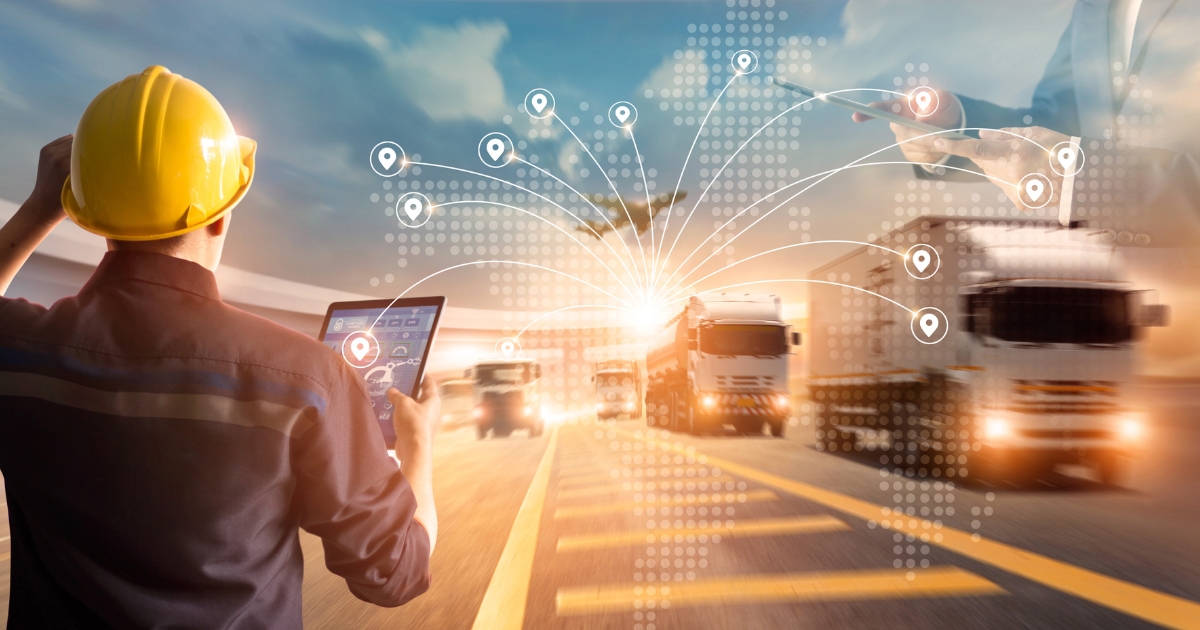
Recycling begins with the collection or delivery of scrap to our collection partner. Upon arrival, all materials are weighed, classified and recorded digitally. In this way, we ensure accurate replacement and climate reporting from the start.
Already at the first stage, precision and traceability are crucial for both price and sustainability data.
Sorting and processing
After weighing, metals are separated by type and quality. Copper, aluminum, lead, stainless steel and iron scrap are handled separately. Contaminants such as plastic, wood or oil residues are removed. The scrap is cut, fragmented or pressed to become manageable in the next step.
The cleaner the fraction, the more value -- both economically and climate-wise.
Supply to smelters and refineries
The finished scrap is then sent to smelters or specialized refineries. Here it is transformed into:
- New aluminium and steel blanks
- Highly concentrated copper for the electrical industry
- Recycled Lead for Batteries and Protection Systems
All this is done with significantly lower energy use compared to extracting and producing metals from new, unprocessed natural resources such as ore or bauxite.
Result: new products and less climate impact
The recycled metal is used in everything from construction components and electrical wiring to vehicles, piping systems and machinery. Scrap that was once a waste has now become a new resource — without having to go the way of mining, smelting and fossil energy.
It's a cycle where every kilogram of scrap makes a difference — both for the climate and the economy.